New York Classic Cheesecake
Savor the World.
New York Classic Cheesecake
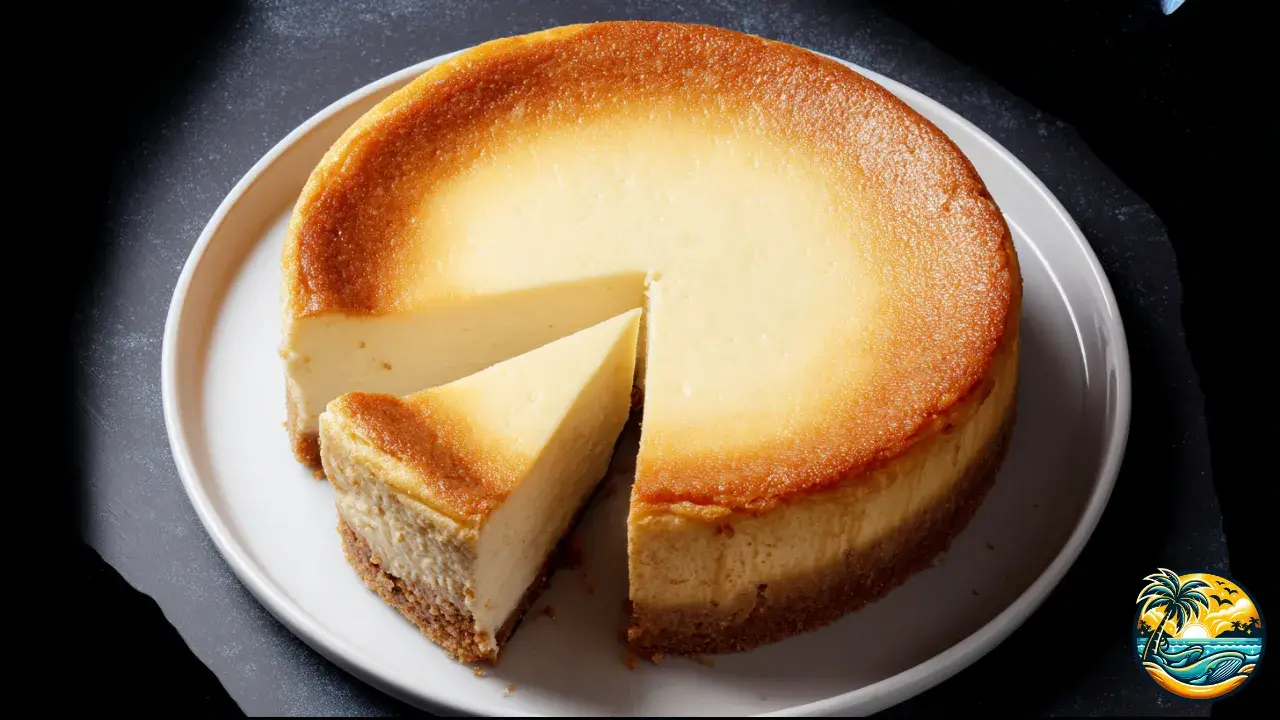
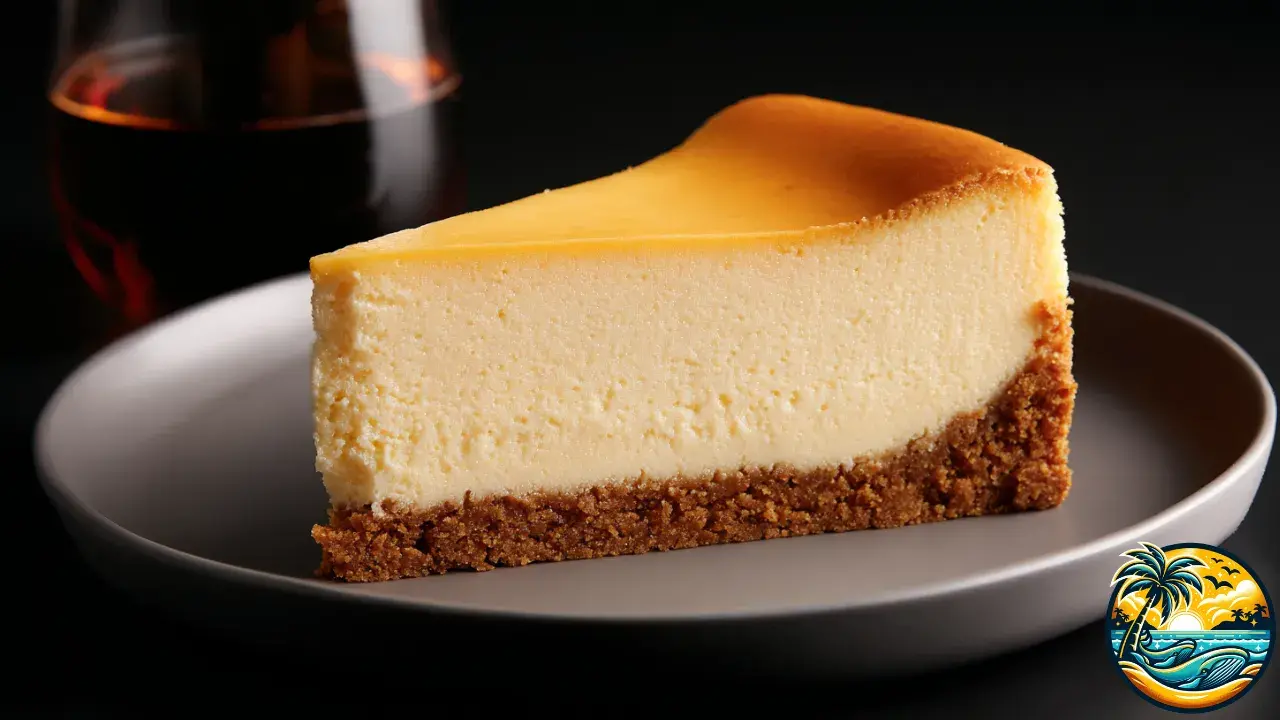
This is a classic, irresistible dessert that always impresses—yes, the New York Classic Cheesecake is the perfect choice. This easy-to-follow recipe will help you make a creamy, delicious cheesecake that your friends and family will love. It’s simply ideal for sharing at any special occasion or just to treat yourself to a sweet indulgence that never fails.
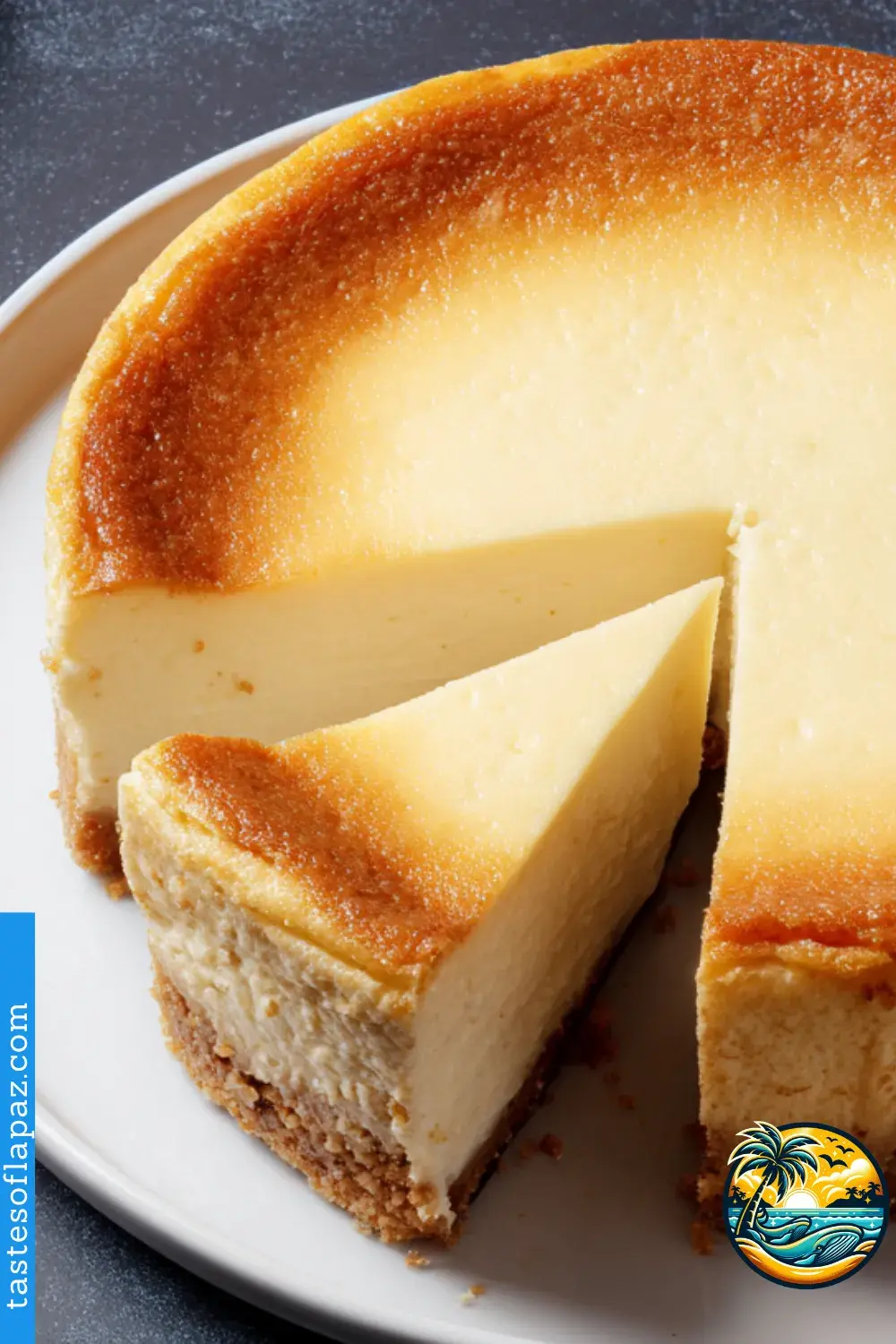
New York Classic Cheesecake
Servings: 12
Prep Time: 25 minutes
Cook Time: 70 minutes
Total Time: 1 hour 35 minutes + chilling (minimum 4 hours)
Ingredients
- 1 1/2 cups (150 g) crushed graham crackers
- 1/4 cup (57 g) melted butter
- 4 packages (8 oz each / 226 g each) cream cheese, at room temperature
- 1 cup (200 g) granulated sugar
- 1 teaspoon (5 ml) vanilla extract
- 4 large eggs
- 2/3 cup (160 ml) sour cream
- 2/3 cup (160 ml) heavy cream
- 1/4 cup (30 g) all-purpose flour
What You’ll Need
- 9-inch (23 cm) springform cheesecake pan
- Food processor or a plastic bag for crushing crackers
- Electric or manual mixer
- Mixing bowls
- Measuring spoons and cups
- Silicone spatula
- Oven
See 5 variations of the recipe at the end.
You might also be interested in:
Did You Know?
Did you know cheesecake is one of the oldest desserts in existence? Ancient Greeks are believed to have made rudimentary versions over 2,000 years ago. Also, the Guinness World Record for the largest cheesecake was set in 2017 in the United States, weighing over 1,200 kg! A delicious giant indeed.

Instructions
- Preheat the oven: Let’s get started! First, preheat your oven to 325°F (163°C). Lightly grease the springform pan with butter or non-stick spray so the cheesecake won’t stick when you remove it — trust me, this saves you a headache later.
- Prepare the crust: In a medium bowl, mix the crushed graham crackers with the melted butter until well combined and the mixture feels sandy and easy to press — you’ll know the texture when you feel it.
- Form the crust: Press the crumb mixture firmly into the bottom of the pan to create an even and compact layer. Bake for 10 minutes to set it, then let it cool while you prepare the filling.
- Beat the cream cheese: In a large bowl, beat the room-temperature cream cheese with an electric mixer on medium-high speed until smooth and creamy — about 3 to 4 minutes.
- Add sugar and vanilla: Add the granulated sugar and vanilla extract to the cream cheese, and keep beating until the sugar is fully dissolved and the mixture is smooth.
- Incorporate the eggs: Add the eggs one at a time — seriously, one by one — beating on low speed to avoid adding too much air, which can cause cracks when baking. Mix well after each egg, but don’t overbeat.
- Add cream and flour: Now it’s time to mix in the sour cream, heavy cream, and flour. Use a spatula or mixer on low speed just until everything is combined, but don’t overmix or you’ll lose that creamy texture.
- Pour the filling: Great! Now pour the cream cheese mixture over the crust in the pan, spreading it evenly for a uniform thickness.
- Bake the cheesecake: Almost done! Bake for 1 hour and 10 minutes. The center should look almost set but still have a slight jiggle when you gently shake the pan — this means it will be creamy and not dry, and above all, delicious.
- Slow cooling: Almost there! Turn off the oven and leave the cheesecake inside with the door slightly open (you can use a wooden spoon to prop it) for 1 hour. This helps prevent cracks caused by sudden temperature changes.
- Refrigerate and serve: Done! Now refrigerate the cheesecake for at least 4 hours, ideally overnight. This step is important because it allows it to firm up and for the flavors to meld before removing from the pan and enjoying — don’t skip it!
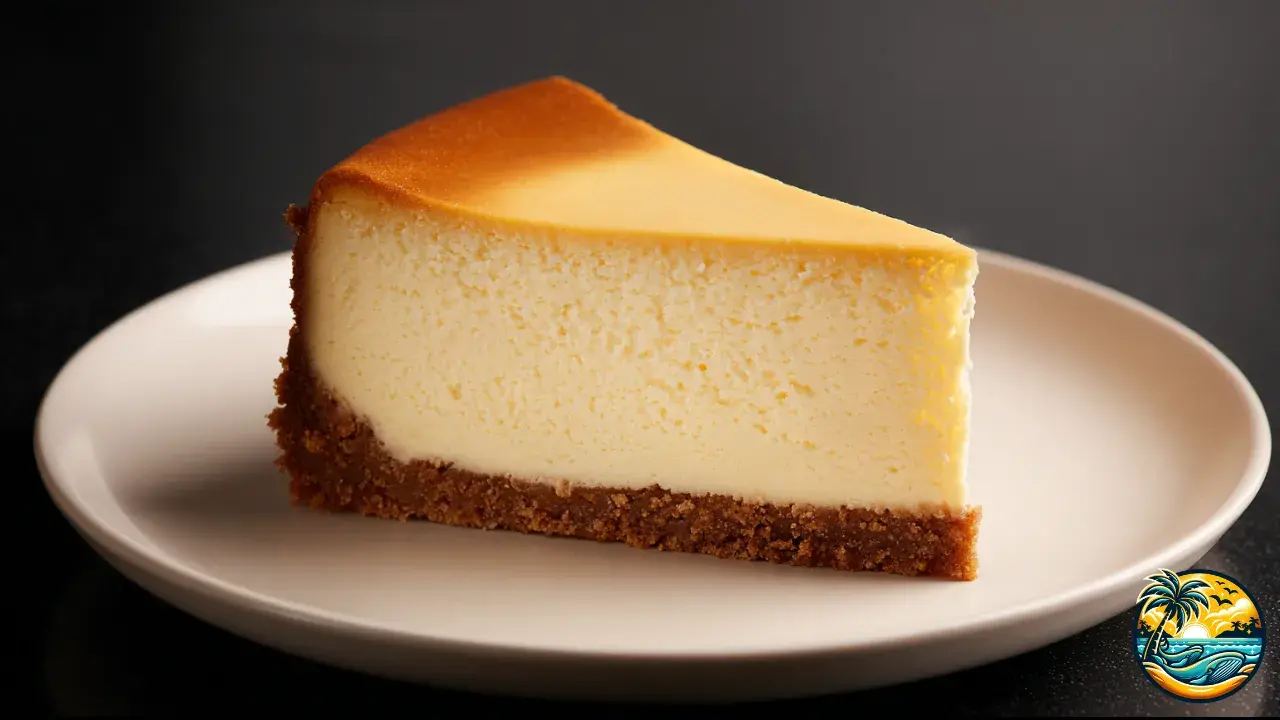

Ingredient Substitutions
- Cream cheese: you can use ricotta or mascarpone instead, which will give you a different but equally creamy texture.
- Graham crackers: you can substitute with digestive biscuits or any sweet, crunchy cookie.
- Sour cream: here you can use plain Greek yogurt, definitely a healthier and tangier option.
- Heavy cream: for this ingredient, you can replace it with whipping cream or evaporated milk for a lower fat content.
- Flour: it can be omitted if you want a denser cheesecake or use cornstarch for a gluten-free version.

Prep Tips
- To avoid cracks, remember not to overbeat the mixture once the eggs are added.
- Always use room temperature ingredients so they blend better and you avoid lumps.
- Important! Let it cool slowly in the turned-off oven with the door ajar to prevent sudden temperature changes.
- Try using a thin knife to loosen the edges before removing the cheesecake to avoid breaking it.

Nutritional Information (per serving)
- Calories: 430 kcal
- Fat: 34 g
- Saturated Fat: 20 g
- Cholesterol: 150 mg
- Sodium: 320 mg
- Carbohydrates: 22 g
- Dietary Fiber: 0.5 g
- Sugars: 16 g
- Protein: 7 g

Nutritional Benefits
The New York Classic Cheesecake provides a good amount of protein thanks to the cream cheese, which is important for muscle repair and maintenance. Heavy cream and butter supply fats that offer sustained energy, though it’s always recommended to moderate intake due to the high saturated fat content. Carbohydrates, primarily from the crackers and sugar, provide quick energy.

Recipe History or Inspiration
The New York Classic Cheesecake has its roots in New York City, where the art of creating a dense, creamy cheesecake with a crunchy crust was perfected. This dessert has become an American icon, enjoyed in restaurants and homes for generations. Its popularity is due to the combination of simple ingredients that together create an indulgent and comforting experience, reflecting the culinary diversity and richness of the Big Apple.
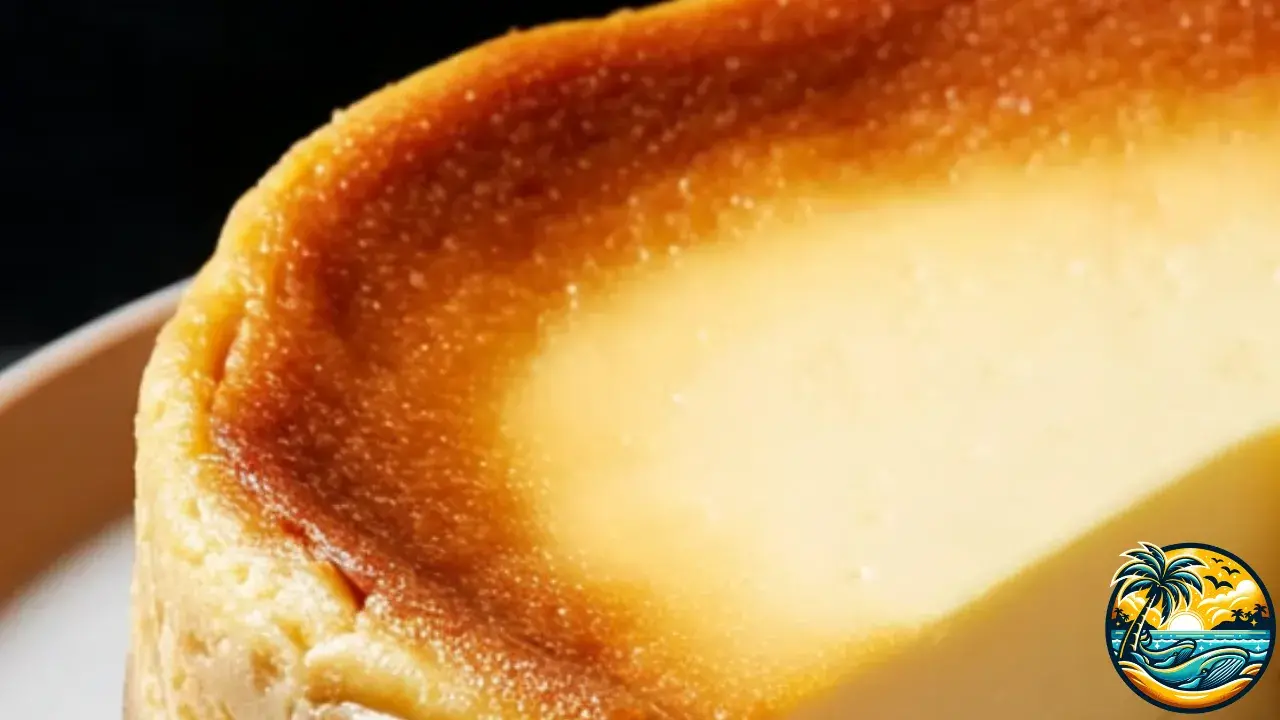
Serving Suggestions
- Fresh fruits like strawberries, blueberries, or mango chunks.
- Sweet sauces: caramel, chocolate, or fruit coulis.
- A dollop of whipped cream or Greek yogurt on top.
- Espresso coffee or black tea to balance the sweetness.
- A sweet or sparkling wine for special celebrations.
Frequently Asked Questions (FAQ)
- Can I freeze the cheesecake? Absolutely! Wrapped well, it keeps for up to 2 months. Don’t forget to thaw it in your refrigerator.
- Why did my cheesecake crack? This usually happens if you overbeat the batter or there were sudden temperature changes while baking and cooling.
- Can I use smaller pans? Yes, no problem! Just adjust the baking time, which will usually be shorter.
- Is sour cream necessary? Not necessarily, but it adds acidity and creaminess; as mentioned, you can replace it with Greek yogurt.
- Can I make a gluten-free crust? Yes, simply use gluten-free cookies and make sure the other ingredients are suitable.


Recipe Variations

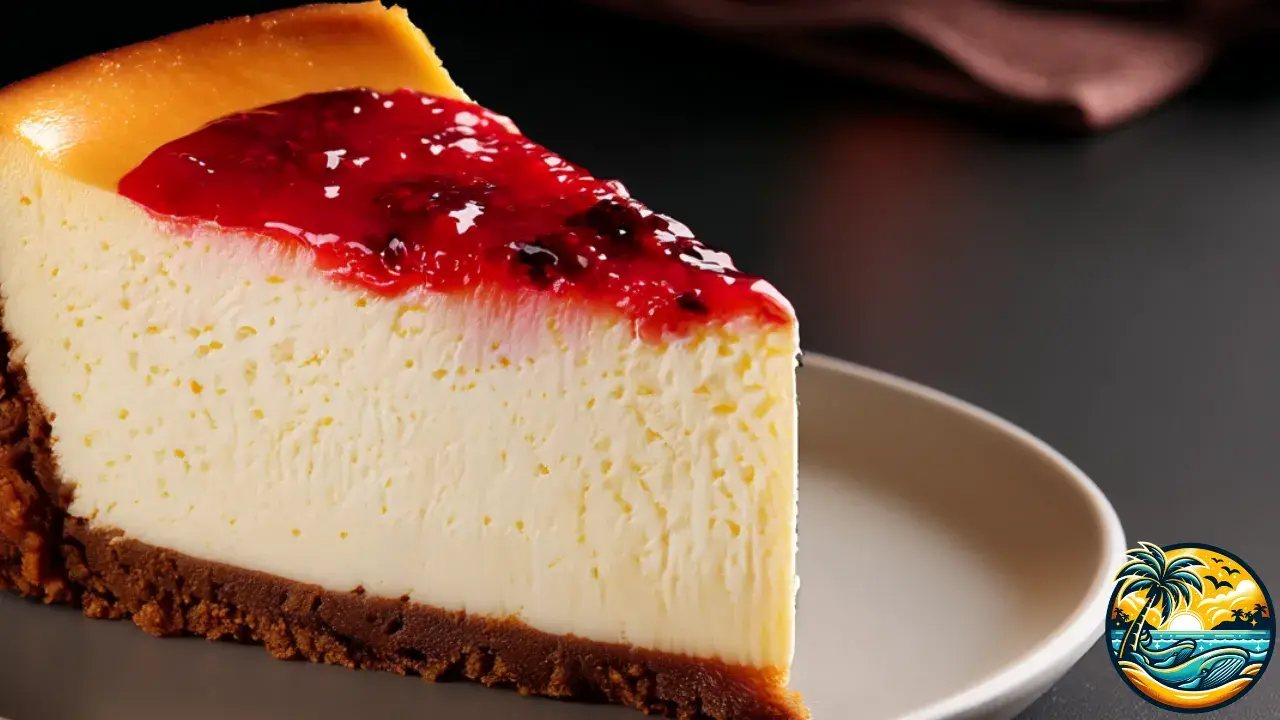
So, now that you know all the secrets to making an authentic New York Classic Cheesecake, there’s no excuse not to give it a try at home. Enjoy every step of the process and, most importantly, the delicious result you’ll get to share with your loved ones. Happy cooking!

Tastes of La Paz.
New York Classic Cheesecake
Servings: 12
Prep Time: 25 minutes
Cook Time: 70 minutes
Total Time: 1 hour 35 minutes + chilling (minimum 4 hours)
Ingredients
- 1 1/2 cups (150 g) crushed graham crackers
- 1/4 cup (57 g) melted butter
- 4 packages (8 oz each / 226 g each) cream cheese, at room temperature
- 1 cup (200 g) granulated sugar
- 1 teaspoon (5 ml) vanilla extract
- 4 large eggs
- 2/3 cup (160 ml) sour cream
- 2/3 cup (160 ml) heavy cream
- 1/4 cup (30 g) all-purpose flour
What You’ll Need
- 9-inch (23 cm) springform cheesecake pan
- Food processor or a plastic bag for crushing crackers
- Electric or manual mixer
- Mixing bowls
- Measuring spoons and cups
- Silicone spatula
- Oven
Instructions:
- Preheat the oven: Let’s get started! First, preheat your oven to 325°F (163°C). Lightly grease the springform pan with butter or non-stick spray so the cheesecake won’t stick when you remove it — trust me, this saves you a headache later.
- Prepare the crust: In a medium bowl, mix the crushed graham crackers with the melted butter until well combined and the mixture feels sandy and easy to press — you’ll know the texture when you feel it.
- Form the crust: Press the crumb mixture firmly into the bottom of the pan to create an even and compact layer. Bake for 10 minutes to set it, then let it cool while you prepare the filling.
- Beat the cream cheese: In a large bowl, beat the room-temperature cream cheese with an electric mixer on medium-high speed until smooth and creamy — about 3 to 4 minutes.
- Add sugar and vanilla: Add the granulated sugar and vanilla extract to the cream cheese, and keep beating until the sugar is fully dissolved and the mixture is smooth.
- Incorporate the eggs: Add the eggs one at a time — seriously, one by one — beating on low speed to avoid adding too much air, which can cause cracks when baking. Mix well after each egg, but don’t overbeat.
- Add cream and flour: Now it’s time to mix in the sour cream, heavy cream, and flour. Use a spatula or mixer on low speed just until everything is combined, but don’t overmix or you’ll lose that creamy texture.
- Pour the filling: Great! Now pour the cream cheese mixture over the crust in the pan, spreading it evenly for a uniform thickness.
- Bake the cheesecake: Almost done! Bake for 1 hour and 10 minutes. The center should look almost set but still have a slight jiggle when you gently shake the pan — this means it will be creamy and not dry, and above all, delicious.
- Slow cooling: Almost there! Turn off the oven and leave the cheesecake inside with the door slightly open (you can use a wooden spoon to prop it) for 1 hour. This helps prevent cracks caused by sudden temperature changes.
- Refrigerate and serve: Done! Now refrigerate the cheesecake for at least 4 hours, ideally overnight. This step is important because it allows it to firm up and for the flavors to meld before removing from the pan and enjoying — don’t skip it!
Nutrition Information (Per Serving):
- Calories: 430 kcal
- Fat: 34 g
- Saturated Fat: 20 g
- Cholesterol: 150 mg
- Sodium: 320 mg
- Carbohydrates: 22 g
- Dietary Fiber: 0.5 g
- Sugars: 16 g
- Protein: 7 g

Tastes of La Paz.